Understanding the social dynamics of gambling How community influences behavior
Understanding the social dynamics of gambling How community influences behavior
 LinkedThings
Understanding the social dynamics of gambling How community influences behavior
The Role of Community in Gambling
The social dynamics of gambling are intricately tied to the communities in which individuals participate. People often gamble not just for the thrill but also for the social interactions that accompany it. Communities can create a sense of belonging and shared experience that enhances the gambling experience, making it more appealing. This social aspect can lead to increased participation and spending, especially when individuals discover the best online casino options that cater to their interests, as they seek to reinforce their social connections.
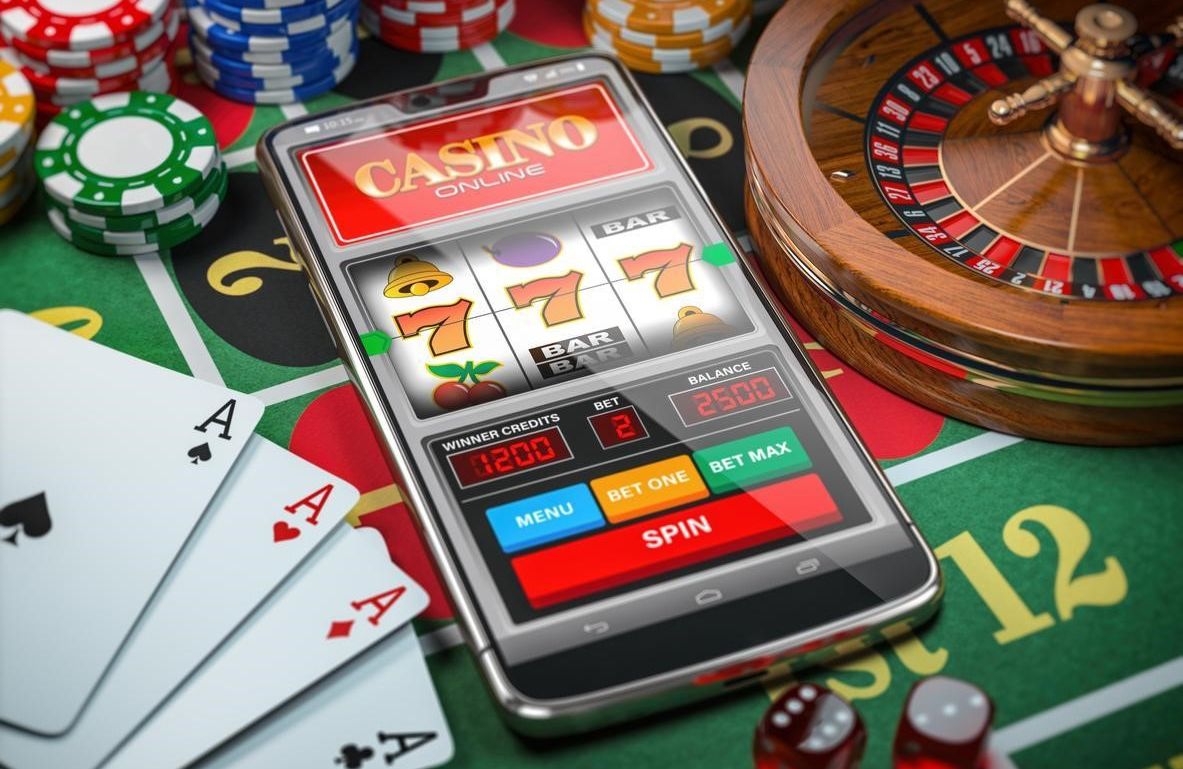
Moreover, the values and norms established within a community can significantly influence gambling behavior. In communities where gambling is normalized or celebrated, individuals may feel more comfortable engaging in such activities. Conversely, in communities where gambling is stigmatized, individuals may be more hesitant to participate, fearing social repercussions.
Peer pressure is a powerful force that can shape individual behavior in gambling contexts. Friends and family members often influence one’s decision to gamble, either encouraging participation or discouraging it. This influence can manifest in various ways, such as inviting someone to join a game or discussing recent wins and losses in a way that heightens interest.
In addition, the desire to fit in with a group can lead individuals to gamble beyond their means. The fear of exclusion or judgment can push someone to engage in gambling behaviors they might otherwise avoid. This dynamic can create a cycle where individuals feel compelled to gamble in order to maintain social ties, potentially leading to problematic behavior.
Group Dynamics and Gambling Culture
Group dynamics play a crucial role in shaping gambling culture within a community. Shared rituals, such as gathering for game nights or attending sporting events, create a collective identity that reinforces gambling behavior. These group activities not only make gambling more enjoyable but also help to legitimize it as a social pastime.
Additionally, communities often develop their own gambling languages, norms, and practices that further solidify their collective identity. These cultural markers can make gambling more appealing and accessible, attracting newcomers while deepening the commitment of existing participants. Over time, this shared culture can lead to entrenched gambling habits that are difficult to break.
The Impact of Social Media on Gambling Behavior
In today’s digital age, social media has become an essential tool for influencing gambling behavior. Online platforms provide opportunities for communities to connect and share experiences related to gambling, amplifying peer pressure and group dynamics. Users often share their betting successes, strategies, and favorite games, which can inspire others to join in.
However, social media can also have negative consequences. The glamorization of gambling through influencers and advertisements can lead to unrealistic expectations. Individuals may be drawn into gambling activities by the perceived ease of winning and the thrill of the experience, overlooking the risks involved. This highlights the need for responsible gaming practices and community awareness about the potential pitfalls of gambling.

Conclusion and Community Support Resources
Understanding the social dynamics of gambling is essential for recognizing how community influences behavior. Communities can shape the way individuals perceive and engage with gambling, ultimately impacting their decisions and experiences. By fostering a supportive environment, communities can help mitigate the risks associated with gambling.
Moreover, for individuals seeking to navigate their gambling experiences, there are resources available that promote responsible gaming. These platforms aim to provide a safe space for discussions and interventions, ensuring that community members can seek help when necessary and make informed choices about their gambling activities.
“`